
Food Distribution & Wholesale Insurance
Fleet coverage, cargo protection, and compliance support from a team that understands your business inside and out.
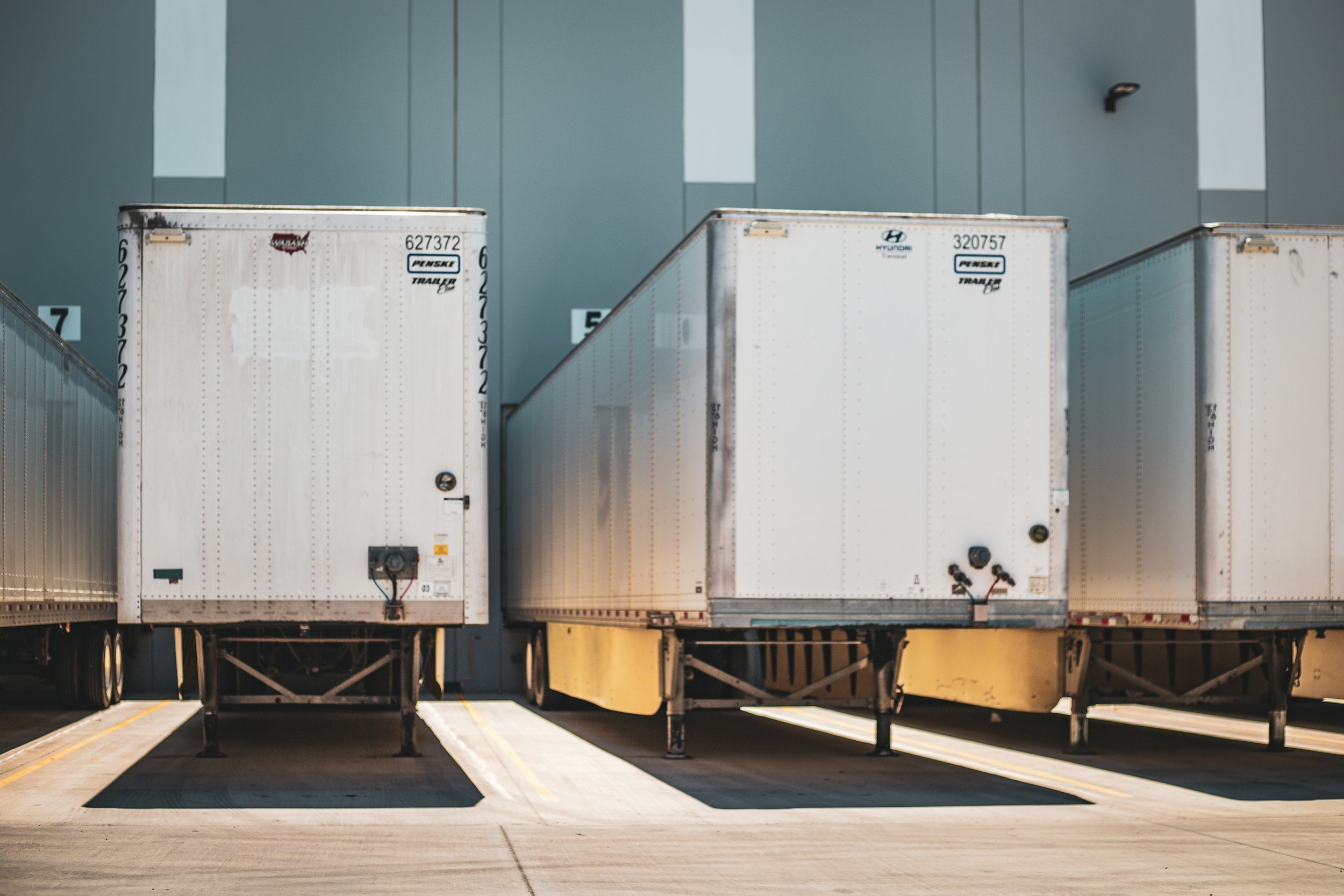
Food distribution is not generic trucking. You're moving temperature-sensitive product across multi-state routes, managing a fleet of drivers with varying CSA scores, and operating under DOT scrutiny that most insurance brokers don't fully understand. One cargo spoilage claim, one serious accident, or one pattern of HOS violations can affect your rates, your contracts, and your operating authority simultaneously.
Anvo specializes in food distribution and wholesale operations because we come from the food industry ourselves. We've sat on both sides of the delivery — as restaurant owners receiving shipments and as the team protecting the companies that send them. That background shapes how we evaluate your risk, structure your coverage, and support you when something goes wrong
Key Coverage Areas for Food Distributors
Commercial Auto & Fleet Insurance Your fleet is your largest exposure. Whether you operate 5 trucks or 50, coverage needs to account for scheduled vs. blanket vehicle policies, hired and non-owned auto liability, and the reality that one underinsured driver can exhaust a policy limit fast. We review your SAFER report and CSA scores before placing coverage — because understanding your safety profile leads to better underwriting outcomes, not just a cheaper quote.
Product Recall Insurance Product recall is one of the most underinsured risks in food distribution. An FDA recall or contamination event affecting product you've already delivered can trigger recall expenses, business interruption losses, and third-party liability claims simultaneously. Most standard GL policies don't cover this. We make sure yours does.
Product Recall Insurance for Food Distributors
Workers' Compensation Warehouse staff, loaders, and drivers face real physical risk. Workers' comp is required in most states and essential everywhere — and getting it right means understanding your payroll classification, your experience modification rate, and how to manage claims before they affect your mod.
Motor Truck Cargo Insurance Standard cargo policies often have exclusions that food distributors discover too late — spoilage limits, temperature deviation clauses, and refrigeration breakdown carve-outs. We structure cargo coverage that reflects what you're actually hauling, including perishable goods, frozen product, and high-value specialty items.
Cargo Insurance for Food Distributors
General Liability & Umbrella Slip-and-fall claims at delivery sites, property damage during unloading, and third-party bodily injury are everyday exposures for distributors. A commercial general liability policy forms the foundation, with umbrella coverage extending your limits for catastrophic claims.
Warehouse & Property Coverage Your facilities, cold storage equipment, and inventory represent significant fixed assets. Commercial property coverage should account for equipment breakdown — particularly refrigeration systems where a single failure can mean significant spoilage loss.
Why Food Distributors Work with Anvo
Most brokers place food distribution business the same way they place any trucking account. They pull a loss run, check a few boxes, and send you a quote. We approach it differently.
Before we place your coverage, we pull your SAFER report and review your CSA scores across all seven Behavior Analysis and Safety Improvement Categories (BASICs). We look at your out-of-service rates, your inspection history, and any patterns that could affect your insurability or your rates. That analysis shapes how we present your account to carriers — and it often makes a material difference in what you pay.
We also understand the downstream risk that comes with food distribution specifically. Contamination events, cold chain failures, and product liability claims behave differently than standard commercial claims. We've helped structure policies that account for these scenarios before they happen, not after.
Challenges you face
Running a food distribution operation means managing risk on multiple fronts—your vehicles, your cargo, your drivers, your facilities, and your compliance record. A single DOT violation or cargo claim can ripple through your entire business.
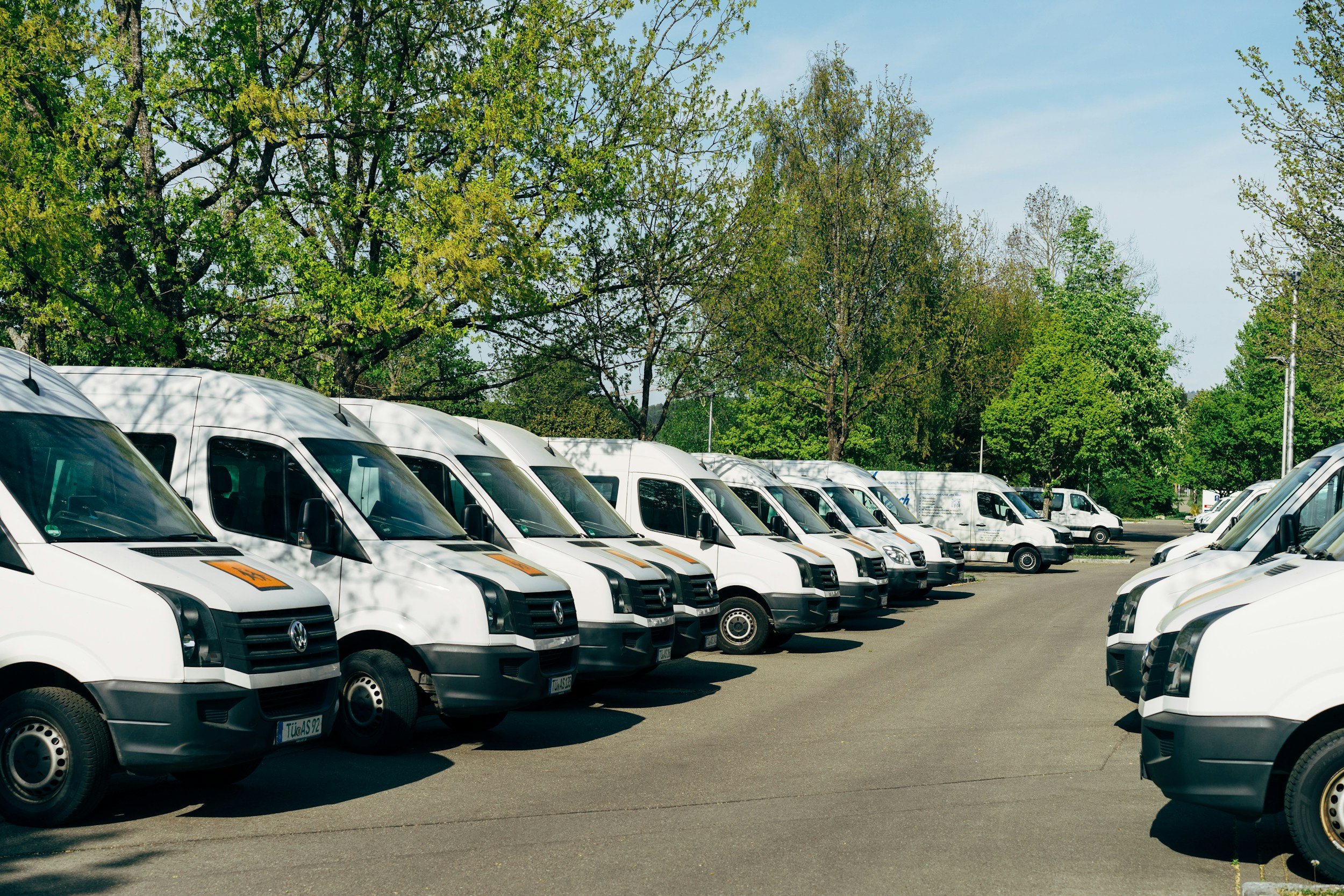
Challenge 1: Fleet Risk
Every truck on the road is an exposure. Accidents, breakdowns, and driver incidents can disrupt your routes and your bottom line.
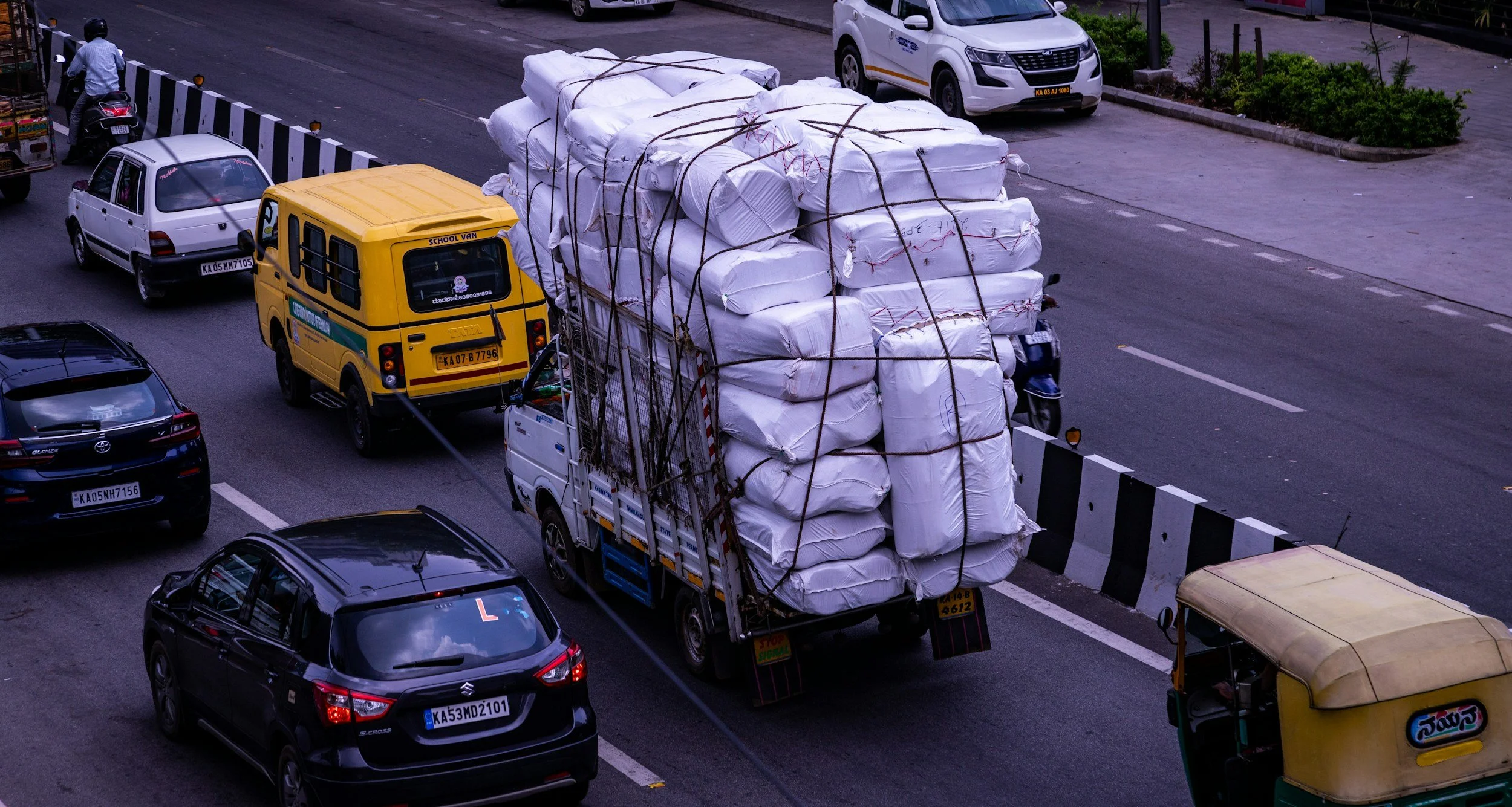
Challenge 2: Cargo Liability
Temperature-sensitive products, spoilage claims, and delivery disputes require coverage that actually understands what you're hauling.
Challenge 3: DOT Compliance
Your SAFER score affects everything—your insurance rates, your ability to win contracts, and your operating authority. Violations compound quickly.
Challenge 4: Finding Coverage
Many brokers treat food distribution like generic trucking. They don't understand your routes, your products, or your client relationships.

Frequently Asked Questions
Do I need separate cargo insurance if I already have commercial auto? Yes. Commercial auto covers liability arising from vehicle accidents, but it does not cover the value of the product you're hauling. Motor truck cargo insurance is a separate policy that protects your load.
What is a SAFER report and why does it matter for my insurance? The SAFER (Safety and Fitness Electronic Records) system is maintained by the FMCSA and tracks your fleet's safety performance, inspection history, and out-of-service rates. Carriers use this data when underwriting your commercial auto policy. A poor safety profile can result in higher premiums or difficulty finding coverage — and many distributors don't realize their SAFER data is being reviewed.
Is product recall coverage included in my general liability policy? Typically no. Standard GL policies exclude or severely limit recall-related expenses. Product recall insurance is usually purchased as a standalone policy or endorsement and covers recall costs, business interruption losses, and third-party claims arising from a contamination or mislabeling event.